
Most people see a moving company on move day. Trucks arrive, crews start working, and items get relocated. On a large commercial relocation, the work starts long before the first truck arrives, and it does not end when the last pallet leaves.
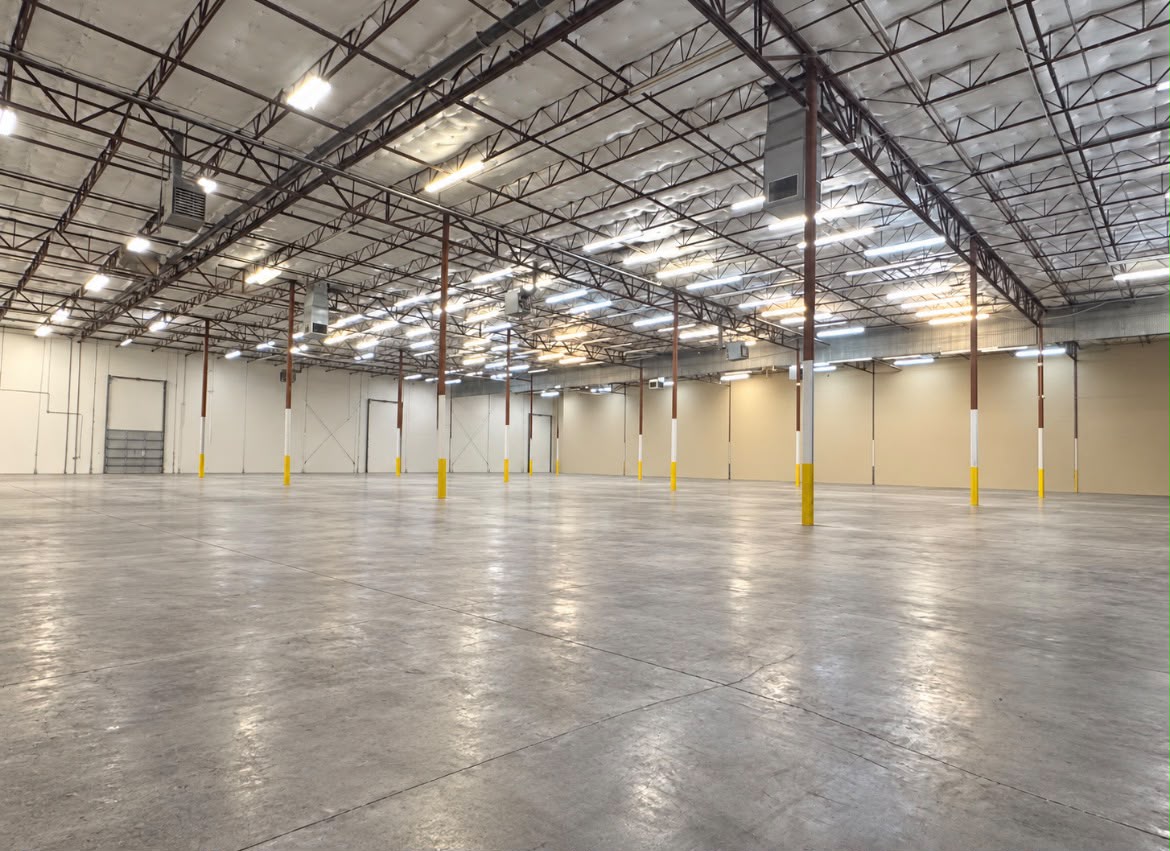
This is the story of how DWD Moving & Logistics relocated the Records Management and Textbook warehouse operations for Dallas ISD. It was not a traditional office move. It was a 150,000-square-foot facility, 2,000 pallets of records and palletized textbook inventory, a racking system to decommission, and office contents and other warehouse items, all of which had to be moved in the right order and tracked from start to finish.
Why a Warehouse Relocation Is Different
A warehouse move is not an office move at a larger scale. The inventory is dense, the sequence often matters, and the material is part of an ongoing operation. Records have to stay organized and traceable. Textbook inventory has to stay accounted for. The racking holding it all has to come down safely once the inventory is out.
On projects like this, assumptions become expensive very quickly. That is why DWD runs every project through the same five-step process, designed to protect uptime, reduce risk, maintain control, and minimize disruption to the client's operation.
Step 1: Intake
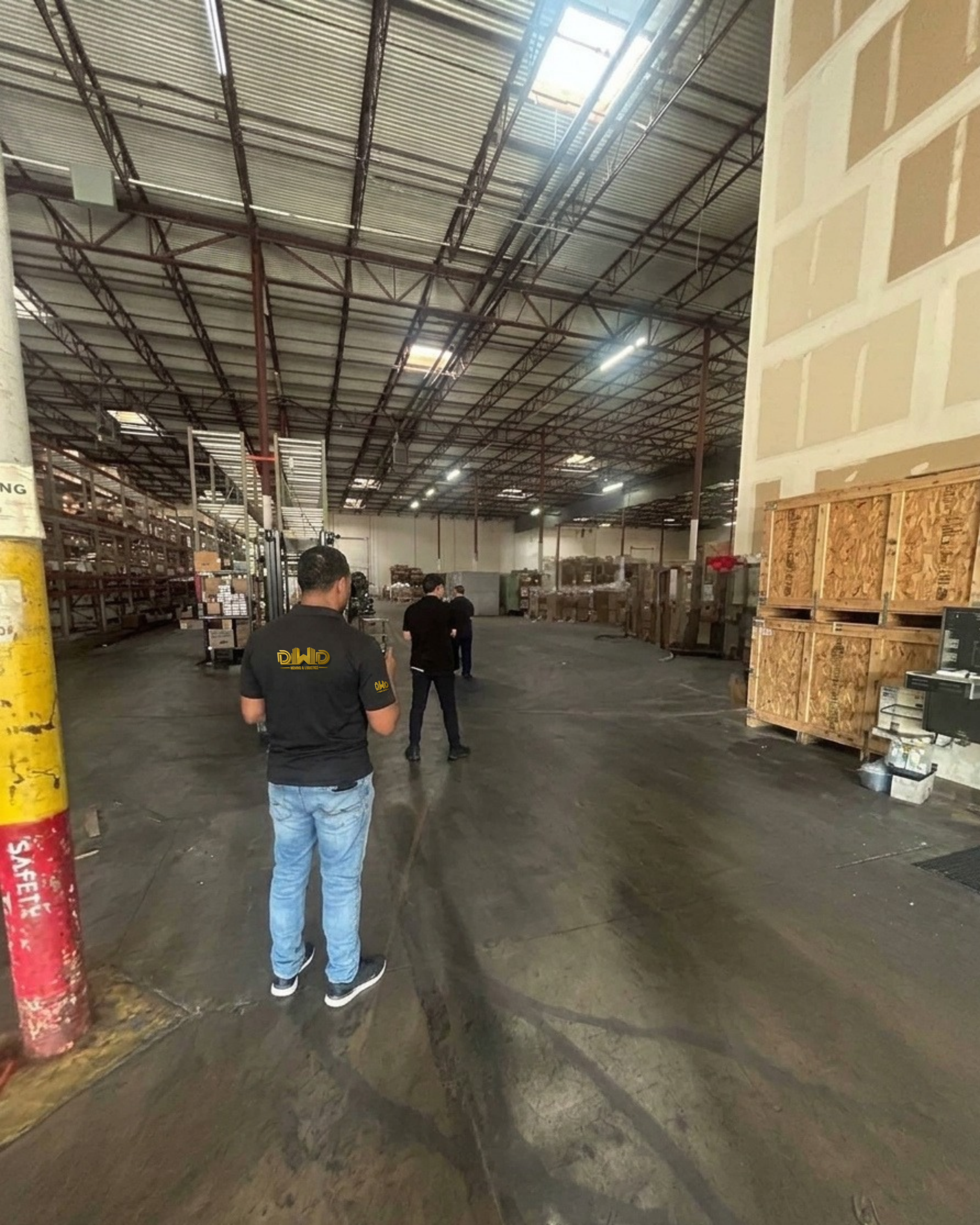
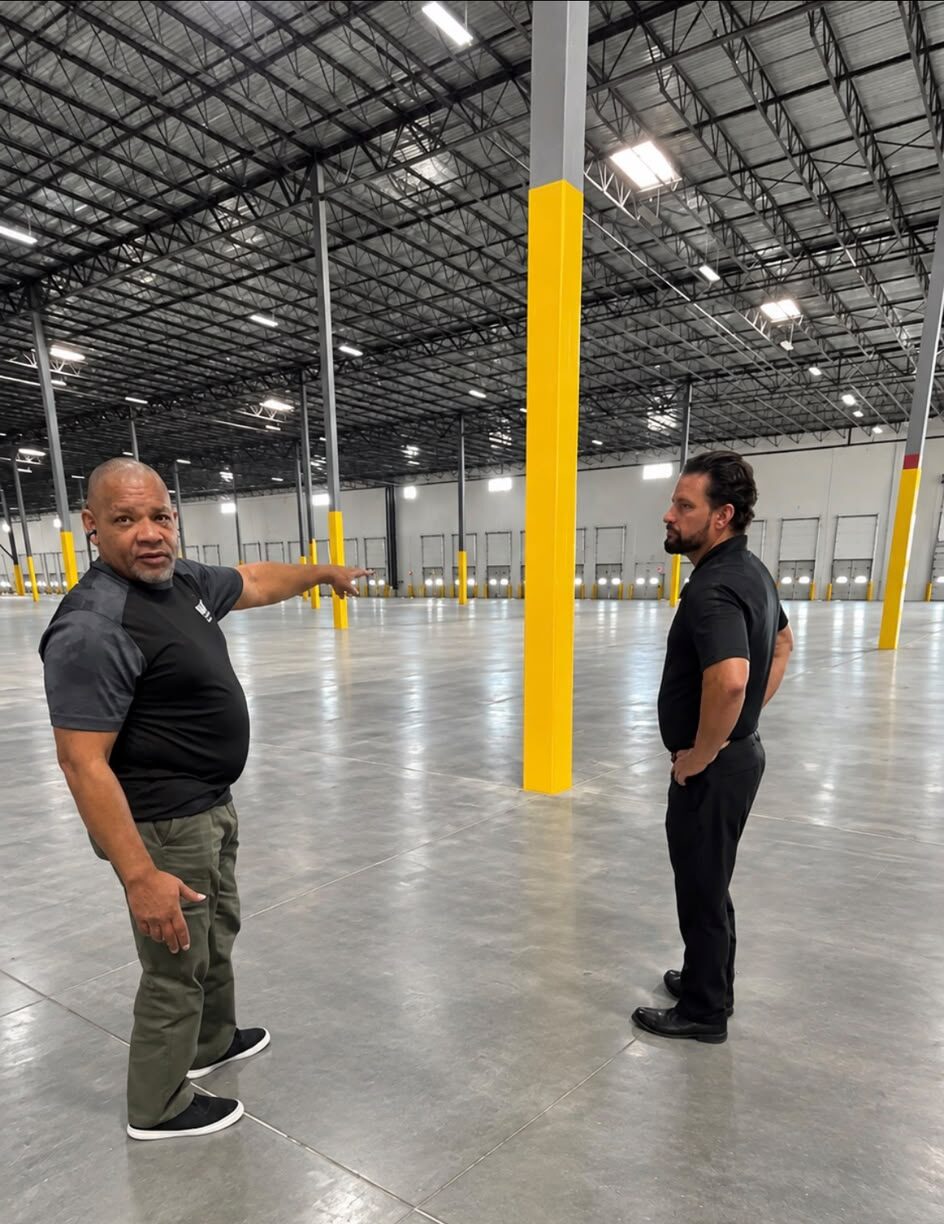
The project began with a site walk at the Dallas ISD warehouse. Intake is not simply walking through a building and estimating how many movers and trucks are needed. It is where DWD begins to understand the operation.
During the walk, the team evaluated:
- What exactly needed to be relocated, and how much material was involved
- How the inventory was stored and organized, and what had to stay in sequence
- Loading and unloading conditions, docks, travel paths, and access points
- Operational bottlenecks, safety risks, and facility constraints
- The equipment required, and whether any work needed specialized vendors
- The client's required timeline, and how to execute without disrupting their operation
The team documented quantities, took measurements, and captured photos and video. The goal of Intake is simple: understand the project before attempting to price or execute it.
Step 2: Planning
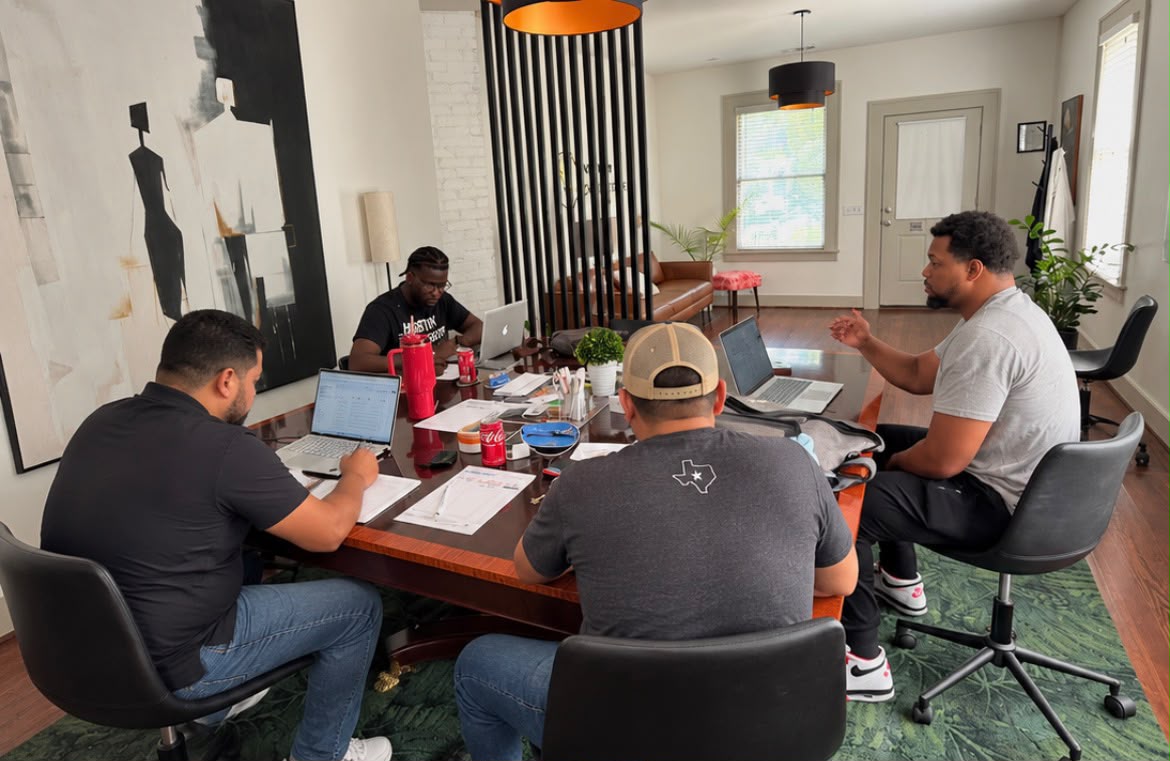
Planning is where the information from Intake becomes an executable strategy. It is designed to eliminate as many unknowns as possible before execution begins, and it guides the project from origin to final placement.
For this project, the plan included labeling and asset-identification systems, sequencing and move-wave development, chain-of-custody protocols, crew, equipment, and transportation planning, routing and access pathways, dock coordination, scheduling and work windows, safety and compliance requirements, and contingency planning for operational constraints.
DWD also coordinated directly with Dallas ISD so that everyone understood what was moving, where it was going, when it was moving, how it would get there, and who was responsible at every stage.
Step 3: Execution
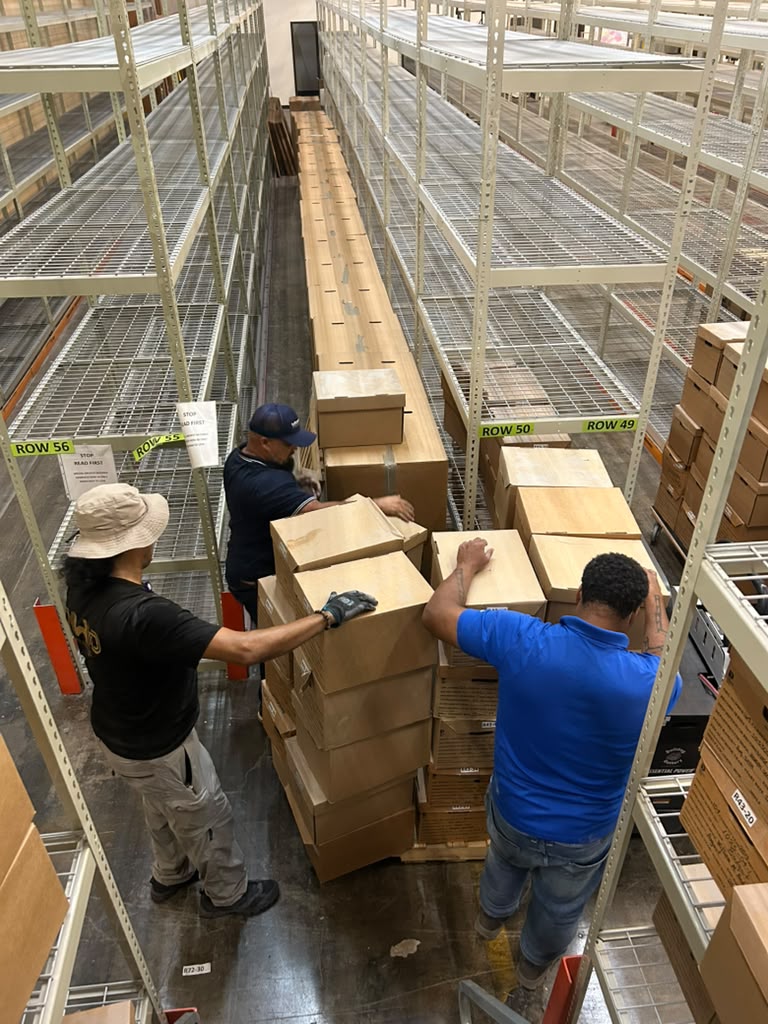
With the plan in place, crews were deployed against the documented sequence rather than a general date. 2,000 pallets of records and textbook inventory were staged, labeled, loaded, and transported to their new location, with the project requiring detailed sequencing, palletization, inventory control, material handling, and transportation.
When the inventory was out, the work was not finished. The racking system also had to come down. Racking decommissioning is a part of the scope people rarely see, and it takes the same discipline as the rest of the project: a defined sequence, safe work practices, and a crew that knows its role.
Step 4: Client Communication
On a project of this size, the client should never have to wonder where things stand. Throughout the relocation, labeling and tracking confirmed counts as inventory moved, and regular check-ins kept the Dallas ISD team working from the same picture as DWD.
Good communication does not slow a project down. It is what keeps a complex move predictable.
Step 5: Closeout
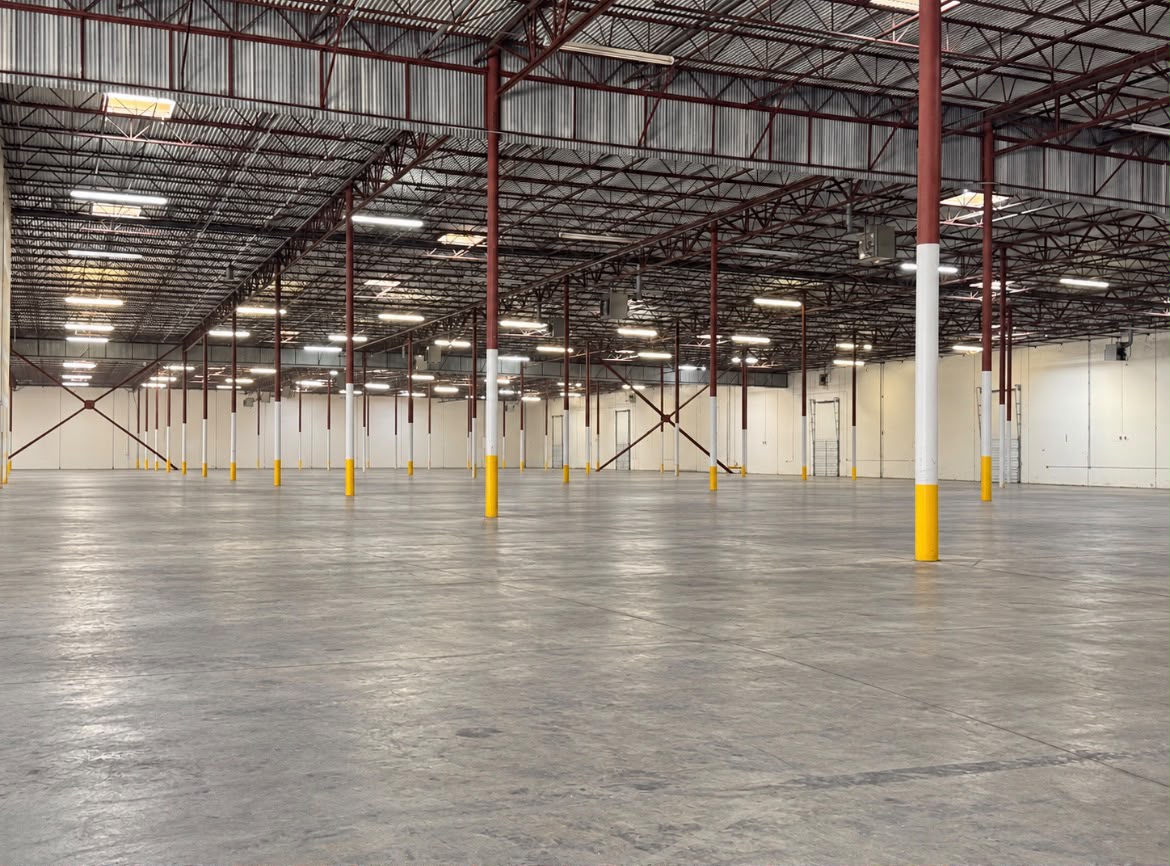
A move that is complete on paper is not the same as a move that has been walked, confirmed, and signed off. Closeout is a final walkthrough, confirmation that the space is ready, and a formal project close.
The project was completed on October 16, 2026, and Dallas ISD signed off on the final walkthrough.
The move itself should be the predictable part of the project, because the hard work was done during planning. Five steps, applied in order, are what turned a 150,000-square-foot warehouse, 2,000 pallets, and a racking system into a controlled, signed-off project.
What to Ask Your Own Relocation Partner
If your organization has a warehouse, records, or inventory relocation ahead, a few questions separate a move-day vendor from a transition partner:
- Do they walk the space and document the operation before they price it?
- Can they show you a written sequence, labeling system, and chain-of-custody plan?
- Who is your single point of contact, and how often will you get updates?
- Does their scope include decommissioning, not just transport?
- How do they close out a project, and who signs off?
Thank you to the Dallas ISD team for trusting DWD Moving & Logistics with this project.